17.06.2026
Perfect Digital Guest Journey Flow: Guest Perspective
What does a truly seamless hotel stay look like? This article follows a guest journey from booking to check-out, showing how connected hospitality technology can remove friction while preserving the human touch.
I recently stayed at a property that completely changed how I imagine traditional stays in the best way. It made me realize how much unnecessary friction we accept as a normal part of traveling.
Everything began when I booked directly on the hotel's website. The process was quick and easy, but the real surprise came after I received my confirmation email. Instead of the usual generic text or upselling links, I was introduced to a digital companion, a simple web app for my upcoming stay.
Several weeks prior to my trip, I used the app from home to explore hotel amenities, schedule spa appointments, and organize my itinerary. I also arranged an arrival transfer in a restored local retro car. This thoughtful option on the app made the trip feel special before I had even packed.
Shifting the Heavy Lifting to Pre-Arrival
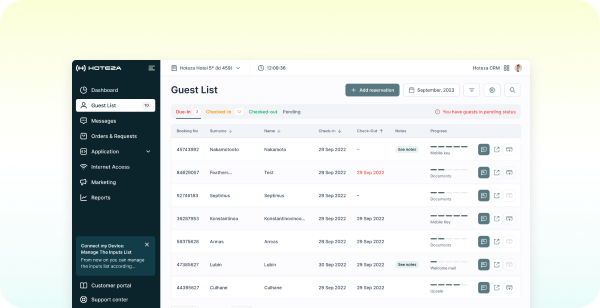
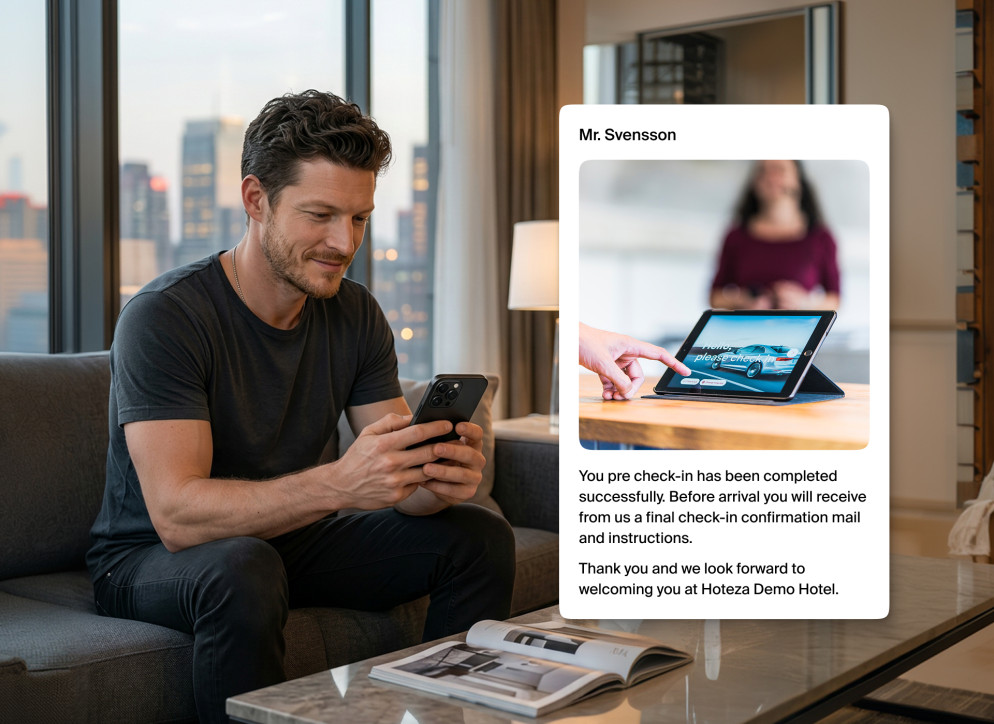
Three days before my trip, I was prompted to complete an online check-in. Normally, arriving at a hotel after a long flight means standing in line, handing over your passport, waiting for forms to print, and signing papers while juggling luggage.
This time, the process took less than three minutes from home. I scanned my ID, took a quick selfie for secure verification, and since my card was already on file from the booking, I confirmed the details with a single tap.
After that came the feature that completely won me over.
As soon as check-in was confirmed, the app let me add my room key directly to my Apple Wallet. Within three clicks, a digital key was securely on my iPhone. There were no plastic cards to lose, no stopping at a desk, and no "please wait while we encode your key" moments.
Technology Encounters Real Hospitality
When I finally walked through the lobby doors, the experience was entirely different from the usual frantic check-in rush. Because the administrative paperwork had already been handled digitally, the front desk team was not glued to their computer screens typing in data.
There were no lines, no clipboards, and no repetitive security questions. Instead, the staff received me warmly, asked how my trip was, and gave me a genuine welcome. This part is important: the technology did not replace human hospitality. By removing the administrative bottlenecks, the team was freed to focus on being human.
I walked straight past the traditional desk bottlenecks and headed to my room. A quick tap of my phone unlocked the door instantly.
Inside, the guestroom TV screen was already active, welcoming me by name. It is a subtle touch, but it immediately made the space seem personalized rather than generic. Even the Wi-Fi remained frictionless; the hotel network recognized my pre-verified profile automatically, letting me connect without forcing me to re-enter room numbers, dates of birth, or complex codes.
Instant Requests and a Frictionless Departure
During the second evening of my stay, I realized I had forgotten to pack a shaving kit. Rather than picking up the landline phone, dealing with an interactive voice menu, or being placed on hold, I simply opened the app chat and typed a quick request. It took ten seconds. Within 25 minutes, a team member was at my door with the kit. There was no fuss and no miscommunication.
When the morning of departure arrived, I prepared myself for what is typically the most tedious part of any hotel stay: the dreaded checkout line. Instead, a beautifully formatted summary appeared in my app, asking if I wished to check out digitally.
I reviewed my room charges, verified the invoice, and settled the balance securely with one tap. The final receipt landed in my inbox a split second later. I did not have to wait around while a front desk agent called housekeeping to recheck the minibar, and I did not have to stand in a rushed morning line just to hand back a piece of plastic.
The Ultimate Takeaway
While I walked through the lobby to leave, the staff still caught my eye, smiled, and asked how everything went. The interaction seemed entirely natural, unhurried, and personal, rather than robotic or rushed by an active queue of frustrated people behind me.
And honestly, that illustrates the biggest misconception people have about modern hotel technology. Truly great hospitality tech is not designed to replace human beings with cold, sterile screens. Its real purpose is to absorb the stress, the lines, the paperwork, and the repetitive manual tasks. When you automate away friction, you give both guests and hotel teams space to connect through valuable interactions instead.
My stay left me with a simple realization of what current travel should look like: no stress, no queues, and no paperwork. It was just a smooth, intuitive experience right from start to finish. And yes, as I waved goodbye to the team, I told them I would absolutely be back.
Disclaimer: This story is based on real feedback from travelers who have experienced the flawless, connected hospitality ecosystems powered by platforms such as Hoteza.
